
Anti-Social Behaviour
Our approach to anti-social behaviour We are committed to helping our residents to always feel safe and protected in their homes. An...


Your safety – both within your home and outside – is our key priority. Our Health and Safety policy includes our commitment to our residents, employees, contractors and members of the public who may come into contact with our work. Below is a more useful guide for residents and homeowners in helping to keep you safe from harm.
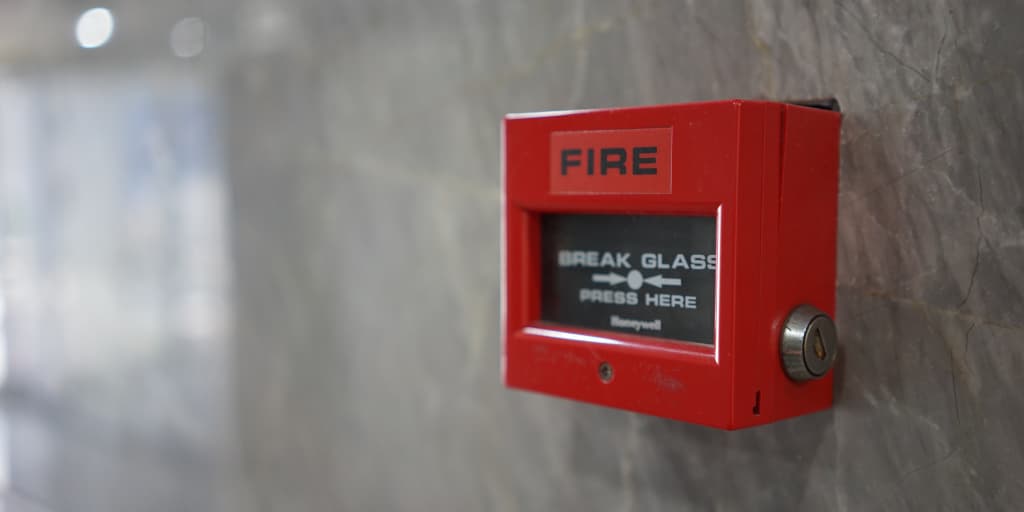
We treat all safety issues as urgent. If you have a concern or feel that you, or someone else, is at risk of harm call our emergency number on 020 7100 7676.
If you suspect a gas leak leave your home immediately, contact the national freephone gas emergency number on 0800 111 999, and alert your neighbours to evacuate their homes too until the source of the leak is identified and it is safe to return to your homes.
Please click below for more information on gas safety and other areas of safety.
If you are a resident, we visit your home once a year to check that your gas supply and appliances are safe. This is a legal requirement of all landlords.
Our checks and any gas heating repairs are carried out by SIB Heating & Plumbing.
If you think there may be a gas leak in your home, turn off your gas supply immediately at the meter and call the national freephone gas emergency number on: 0800 111 999
If you smell gas:
Gas cylinders and appliances, such as portable gas heaters, gas-barbecues and blow torches bring a risk of fire or explosion. You must not use gas cylinder devices – or store them – on our properties. This includes personal spaces such as balconies as well as communal shared spaces including gardens, indoor spaces, storage / bin cupboards.
The three most common forms of asbestos are:
The use of asbestos in construction is now illegal but it may still be present in properties that were built prior to 1999.
If your property does have asbestos, or you are unsure, we will arrange for a specialist contractor to carry out a survey and report back on any risks and action required.
We follow the Health and Safety Executive’s (HSE) Guidance which is to leave asbestos that is in good condition in situ and to ensure the safe, compliant, removal of any asbestos which is not.
Asbestos-containing materials – which were typically used for roofing and infill works – are not a risk if they are in good condition and left undisturbed.
We have a responsibility to manage asbestos materials in our properties and we carry out surveys of our buildings, and record and monitor materials in accordance with our maintenance planning. We use only accredited asbestos specialists.
If you are in any doubt about having, or the condition of, asbestos materials in your property, please contact us immediately.
Never disturb, try to remove, paint, or maintain asbestos material products. This must always be done by an accredited asbestos specialist, and we will arrange this.
For further information, help or advice relating to asbestos please contact your local authority, the Health and Safety Executive on 0845 345 0055, or visit The Environment Agency.
Burst pipes and escaping water can cause property damage and anxiety. Water can also carry bacteria if it is left to stagnate which can cause health issues.
To make sure your water pipes, water traps, sinks and basins are kept clean, run water regularly through them; this is particularly important for areas that you may not use daily, such as an outdoor tap or separate shower.
During the winter months, particularly in frost and freezing conditions, your heating must be set to a minimum of 5 degrees (or a ‘Frost’ stat) even when you are away from your property. This avoids the water in the pipes freezing, and then expanding the pipes which can then burst releasing water once it has defrosted.
Electrical faults are a major cause of fire in the home. If a product is not working properly, don’t try to fix it yourself unless you are a registered electrician. You are responsible for the products and appliances in your home. We are responsible for carrying out electricity checks to the main power supply into your home.
The following is a basic check list, but it is not exhaustive. Check that:
Electrical work must always be carried out by an approved and registered electrician. Never attempt to repair or carry out electrical works yourself unless you are a registered electrician.
If you have a concern about your electrics, contact us immediately.
Always secure windows and lock your doors when you go out.
Providing you are not in sheltered housing, it is advisable to have a chain fitted to your front door; this can provide additional personal security particularly if you live alone.
Easy to purchase and install security systems, such as Ring, offers the ability to view and record people approaching your property and enables you to talk to them even when you’re out (requires wi-fi connectivity and a Smart Phone).
Always make sure your property is safe and lock your doors before you go to bed. Ground floor windows should never be left open nor those near drainpipes or flat roofs.
Don’t leave visible notes for delivery people, or leave your keys in the lock or in an obvious place (eg. under the mat or a string through the letterbox) as this will make your home a target for thieves!
Never leave cash and valuables around.
While we insure the building that you live in, you are responsible for the contents of your home including furniture and personal belongings. We strongly advise that you take out adequate home insurance to protect against the cost of replacing items as a result of damage or theft.
Communal and shared areas must be well managed by residents to avoid trips, slips, falls and to keep all escape routes clear of obstruction. We all have a collective responsibility for one another’s safety, so please:
Fire safety is a priority for us and we work closely with legislative bodies and the Government to ensure our buildings comply with fire regulations and that they provide you with the highest level of security against fire.
We carry out regular annual Fire Risk Assessments, including fire doors, exits, and fire safety equipment.
If you have any concerns, or notice anything that may pose a fire risk, contact us immediately. We treat any fire risk – no matter how small – as an emergency. Please call us immediately on 020 7100 7676.
It’s very important that communal areas like corridors, walkways and fire doors are kept clear of obstructions like rubbish, prams, bikes, furniture or clothes. This is so everyone can safely escape the building if they need to and firefighters can safely enter and exit the building when fighting a fire.
We ask residents not to leave any items outside their home including door mats, shoes, plant pots, bikes and push chairs as all of these items pose a potential risk in the event of a fire. If you find rubbish or anything blocking communal areas or fire escapes, please contact us.
Doors throughout the building, including your front door, are designed to prevent fire and smoke from spreading. Please don’t make any changes to your doors nor leave fire doors open. If any door in your building is damaged please let us know immediately.
There are a number of utility cupboards in building blocks, such as gas, water or electrical. These are not for use by residents and must be kept locked. If they are damaged, or a resident is using them to store items please contact us as soon as possible. Blocking a utility cupboard is a fire risk.
Most people who call at your home are genuine. But it’s always wise to be cautious.
All our staff and contractors carry identification with them. If you are not sure if the person at the door is genuinely calling on behalf of Major Housing Association, please call us immediately on 020 7100 7676.
Follow these simple steps:
Whenever you answer the door, remember to lock, stop, chain, check.
Our approach to anti-social behaviour We are committed to helping our residents to always feel safe and protected in their homes. An...
Your voice matters At Major Housing Association we positively encourage and welcome your feedback so that we can continue to develop...

Knowing the signs and seeking help Domestic violence takes place between people who live together. Typically, this will be people in a


